What is a Pressure Reducing Regulator and How Does It Work?
Pressure Reducing Regulators are essential in managing gas and liquid pressure across various industries. According to a recent report by ResearchAndMarkets, the global market for pressure regulators is expected to grow by 5% annually from 2021 to 2026. This growth indicates heightened demand for effective pressure management solutions. Industries such as oil and gas, chemical processing, and power generation rely heavily on these devices to ensure safety and efficiency.
Understanding how Pressure Reducing Regulators function is crucial for engineers and technicians. These devices maintain downstream pressure, which is vital for equipment protection and operational stability. However, not all systems are designed optimally. Reports suggest that up to 30% of pressure regulator failures lead to safety hazards and operational downtime. This points to a need for better training and installation practices, as even minor errors in setup can disrupt the entire system's reliability.
In an era where precision is key, pressure management cannot be overlooked. Pressure Reducing Regulators play a pivotal role in maintaining safe operating conditions. Yet, with many variables in application environments, there is always room for improvement. Consistent evaluation and adjustment of these devices are essential to harness their full potential.
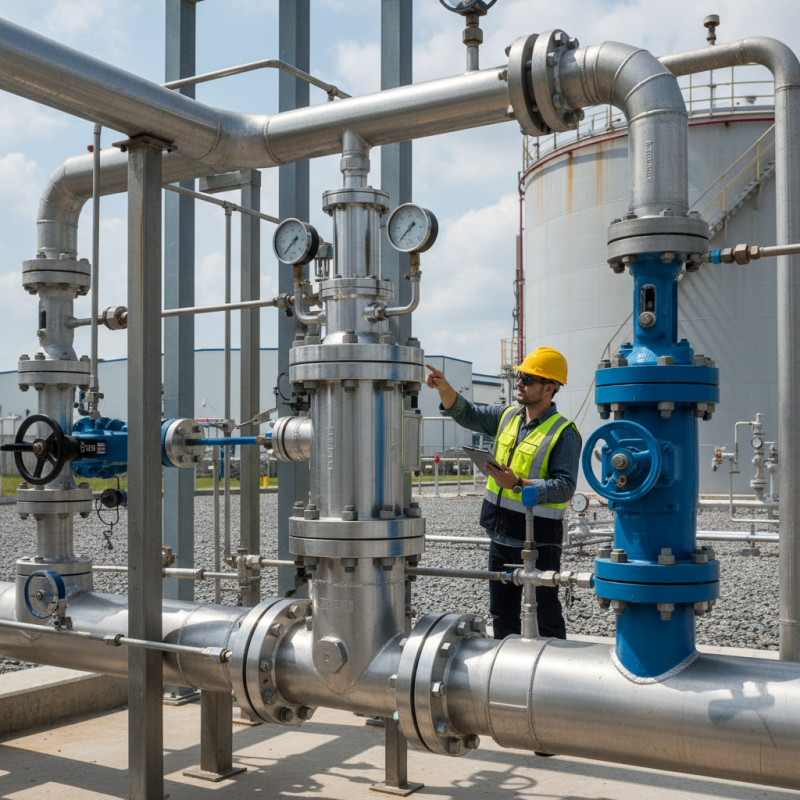
Understanding the Basics of Pressure Reducing Regulators
A pressure reducing regulator is an essential device in various applications. It controls the pressure of gases or liquids. By adjusting the output pressure, it ensures that systems operate safely and efficiently. These regulators are widely used in industries, laboratories, and even residential settings.
Understanding how a pressure reducing regulator works is crucial. At its core, it takes high-pressure input and converts it to a lower, more manageable pressure. Through a diaphragm mechanism, it monitors pressure changes. When the downstream pressure rises, the diaphragm moves, which adjusts the flow of the medium. This process helps maintain a stable output.
While the concept seems straightforward, there can be challenges. Pressure fluctuations may lead to inaccurate readings. Additionally, improper installation can cause leaks or inefficiencies. These issues spotlight the importance of regular maintenance and checks. Therefore, it’s vital to reflect on your setup and ensure it meets operational standards. Adapting to these principles can significantly improve system reliability and performance.
What is a Pressure Reducing Regulator and How Does It Work?
| Dimension | Description | Value |
| Input Pressure Range | The range of pressures the regulator can accept from the source | 50 - 300 psi |
| Output Pressure Range | The range of pressures that can be set for the output | 5 - 100 psi |
| Material | Common materials used in the construction of regulators | Brass, Stainless Steel |
| Connection Type | Standard types of fittings for connecting to piping systems | NPT, BSP |
| Flow Rate | The maximum flow rate the regulator can handle | 15 - 50 SCFH |
| Temperature Range | Operating temperature limits for the device | -20°C to 60°C |
| Applications | Common applications where pressure regulators are utilized | Gas systems, HVAC, Industrial processes |
The Functionality of Pressure Reducing Regulators Explained
Pressure reducing regulators play a crucial role in various industries. They ensure safe and efficient operation of systems by controlling the pressure of gases and liquids. According to a recent industry report, about 70% of industrial applications require some form of pressure regulation. Without these regulators, systems can fail, leading to safety hazards and costly downtime.
The functionality of pressure reducing regulators hinges on a simple mechanism. When the inlet pressure exceeds the desired outlet pressure, the regulator activates. It adjusts the flow by opening or closing a valve in response to the pressure difference. This automatic adjustment ensures that the downstream equipment operates within safe parameters. A minor fluctuation in the inlet pressure can lead to major issues, such as equipment damage or inefficient processes.
However, not all regulators are perfect. Some may not react quickly enough under rapidly changing conditions. This lag can result in pressure spikes or drops, affecting performance. Regular maintenance and periodic recalibration are essential to mitigate such issues. It's also worth noting that environmental factors can impact regulator performance. Temperature variations, for instance, can influence pressure readings. This highlights the need for ongoing monitoring to maintain system integrity.
Key Components of a Pressure Reducing Regulator
A pressure reducing regulator is designed to maintain lower downstream pressure from a higher upstream source. Understanding its key components helps in grasping its functionality better.
The primary component is the diaphragm. It senses pressure changes within the system. When upstream pressure increases, the diaphragm moves, altering the flow path. Springs are also critical. They exert force on the diaphragm. The right spring ensures optimal pressure regulation, but it might wear over time. Another component is the valve. It opens and closes to control flow, but a stuck valve can lead to pressure fluctuations that are hard to diagnose.
Lastly, gauges are essential for monitoring. They provide visual feedback on the system's pressure levels. If a gauge fails, operators may miss critical changes. Each part is vital, but relying solely on them can create problems. Regular maintenance is necessary to ensure all components function properly. Neglect can lead to inefficiencies in pressure control. Understanding and caring for these components is crucial in any pressure management system.
Applications of Pressure Reducing Regulators in Various Industries
Pressure reducing regulators are essential in many industries. They optimize system performance by ensuring that pressure levels remain consistent. These regulators are commonly used in gas distribution, water supply, and hydraulic systems. In gas distribution, they maintain safe pressures for residential and commercial use. In water supply systems, they help to protect plumbing by reducing excessive pressure.
Tips: Regular maintenance of regulators is vital. Small leaks can lead to inefficiencies. Inspect your systems often to ensure functionality.
In hydraulic systems, pressure reducing regulators help to protect machinery. They ensure that components are not subjected to pressures beyond their limits. This can extend equipment life and reduce downtime. However, improper installation can lead to inconsistent pressure. It’s important to follow guidelines closely and double-check connections.
Tips: Always train staff on equipment. Misunderstandings can lead to costly mistakes. Clear communication can prevent issues from arising.
Applications of Pressure Reducing Regulators in Various Industries
This chart illustrates the applications of Pressure Reducing Regulators across various industries, highlighting how they are utilized to maintain optimal pressure levels for safety and efficiency.
Maintenance Tips for Pressure Reducing Regulators
Maintaining pressure reducing regulators is crucial for optimal performance. Regular inspections can prevent costly failures. Studies show that improper maintenance can increase system failures by up to 30%. Inspecting for leaks or blockages is essential. These issues can lead to pressure fluctuations, affecting system reliability.
Cleaning is another key aspect. Accumulation of debris can obstruct flow. This often results in inefficient performance. A simple cleaning routine can enhance a regulator's lifespan. The American Society of Mechanical Engineers suggests checking the regulator every six months. This frequency helps catch issues early.
Calibration is also needed. Over time, pressure readings can drift. A drift of merely 5% can mean a difference in operational efficiency. Operators should recalibrate regulators to ensure accurate pressure settings. If not done, the system may operate outside its design parameters, risking safety and reliability. Regular maintenance not only extends service life but also enhances safety in operations.