Why is PCB Manufacturing and Assembly Important for Electronics?
In today's electronic world, PCB manufacturing and assembly play a critical role. Every gadget we use depends on printed circuit boards. From smartphones to medical equipment, these boards form the backbone of electronic devices. The quality of PCB manufacturing and assembly impacts overall product performance.
However, these processes can be complex. Many companies struggle to achieve the required precision. Errors in design or assembly can lead to malfunctioning products. This reality pushes manufacturers to continuously improve their techniques. Despite advancements, challenges remain. Some firms lack the technology needed for optimal production.
Moreover, consumer demand for smaller, more powerful devices complicates PCB design. Engineers need to pack more functionality into limited space. This pressure increases the risk of mistakes during the manufacturing process. Thus, understanding the importance of PCB manufacturing and assembly is crucial. It not only ensures device reliability but also influences overall success in the tech industry.

The Role of PCB in the Electronics Manufacturing Process
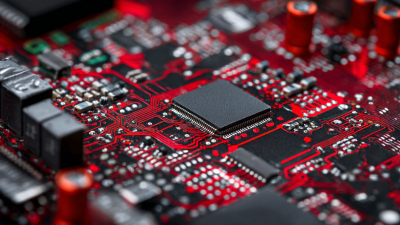
The printed circuit board (PCB) plays a pivotal role in modern electronics. It serves as the backbone of electronic devices, providing the necessary pathways for electrical current. In fact, reports indicate that the global PCB market is projected to reach $76.6 billion by 2025. This highlights the growing demand for efficient PCB design and manufacturing.
Creating a PCB is not just about fabrication. It involves meticulous planning and assembly, which ensures reliability and performance. A poorly designed PCB can lead to device failures and massive financial losses. According to industry studies, approximately 30% of premature failures stem from PCB issues. This emphasizes the need for thorough testing and quality control in the manufacturing process.
Tips: Always consider available materials. Certain substrates can influence the thermal management of PCBs. Additionally, implementing stringent design reviews can mitigate risks associated with PCB failures. Investing in advanced manufacturing techniques can save costs in the long run. Balancing performance and cost is essential but not an easy task. Every choice has consequences and requires careful consideration.
Key Components of PCB Manufacturing and Their Functions
PCB manufacturing involves several key components that directly affect the functionality of electronic devices. One crucial aspect is the substrate material, typically made of fiberglass and epoxy resin. This layer provides mechanical support and electrical insulation. According to industry reports, the demand for high-quality substrates is projected to grow at a CAGR of 7.4% from 2021 to 2026, indicating a rising need for dependable bases in electronics.
Another essential component is the copper layer, which facilitates electrical connections. The thickness and purity of copper can significantly impact performance. If not properly managed, issues can arise, like signal loss or overheating. A recent survey showed that 35% of manufacturers experienced delays due to faulty copper layers. This highlights the need for stringent quality checks during production.
Lastly, solder mask is vital for protecting circuits. It prevents oxidation and accidental short circuits. While many manufacturers opt for a standard green solder mask, custom colors and materials can enhance visibility and branding. However, the decision may lead to unforeseen costs. Balancing aesthetics and functionality remains a challenge. Careful consideration of these components ensures that PCB manufacturing meets the evolving demands of the electronics industry.
Challenges in PCB Assembly and Strategies for Improvement
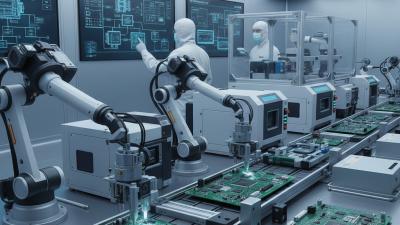
PCB assembly faces several challenges that can hinder production efficiency. One significant issue is quality control. According to IPC, nearly 30% of PCBs fail to meet quality standards in assembly. This leads to costly rework and delays, impacting overall project timelines. Companies often resort to various inspection methods, but many still encounter issues like solder joint defects and component misalignment.
Another challenge is supply chain disruptions. The COVID-19 pandemic highlighted vulnerabilities in sourcing components. As reported by Deloitte, 90% of electronics manufacturers faced at least one supply chain issue in 2020. Such disruptions lead to increased costs and longer lead times in production. To counter these problems, companies increasingly embrace flexible manufacturing practices. Adopting lean methodologies can reduce waste and improve responsiveness.
Additionally, training and workforce skilled in new technologies like automation is crucial. The shortage of skilled labor remains a barrier. A study by TechRepublic indicates that a staggering 70% of manufacturers struggle to find adequately trained personnel. Investing in staff training and development can mitigate these issues. Streamlining operational processes through technology integration also holds great promise for improving assembly efficiency.
Why is PCB Manufacturing and Assembly Important for Electronics?
| Challenge |
Impact |
Strategy for Improvement |
| Design Complexity |
Leads to higher failure rates and longer production time |
Employ Advanced CAD Tools for Design Verification |
| Material Selection |
Inadequate materials can cause reliability issues |
Utilize Trusted Suppliers and Conduct Material Testing |
| Production Scale |
Scalability issues can lead to increased costs |
Implement Lean Manufacturing Practices |
| Quality Control |
Poor QC can result in defective products |
Adopt Six Sigma Methodologies |
| Supply Chain Disruption |
Delays in production and increased lead times |
Diversify Suppliers and Maintain Inventory Buffers |
Impact of PCB Quality on Electronics Performance and Reliability
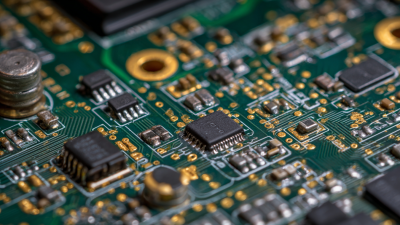
The quality of Printed Circuit Boards (PCBs) has a significant impact on the overall performance of electronic devices. High-quality PCBs ensure that electrical signals are transmitted efficiently. This can lead to better speed and clarity in communication devices. However, even minor defects in PCB manufacturing can compromise functionality. Issues like incomplete solder joints or uneven layers may cause intermittent connectivity problems.
Reliability is another crucial aspect. Well-made PCBs are resistant to environmental factors like heat and moisture. They are designed to withstand stress, ensuring long-term operation. Poor quality can lead to failures, resulting in costly repairs and losses. Many devices may not function as intended, leading to frustration among users.
There's also a human element to consider in PCB assembly. Quality control processes may overlook errors. Assembly workers might miss subtle flaws during inspection. This underscores the need for a rigorous quality assurance system. Without it, products can easily fail under real-world conditions, highlighting the importance of investing in quality PCB manufacturing and assembly.
Impact of PCB Quality on Electronics Performance and Reliability