How to Choose the Right Switch Panel for Your Needs?
Choosing the right Switch Panel can significantly impact your project. A suitable switch panel enhances functionality and simplifies operations. Various factors influence the choice of a switch panel, including its intended application and user requirements.
When selecting a switch panel, consider factors such as design, capacity, and compatibility. An effective panel should align with the devices it controls. It is important to understand the specifications thoroughly. Having the right switch panel ensures smooth functionality in both residential and commercial settings.
Many users may overlook details when choosing a switch panel. This can lead to poor performance or even safety hazards. It's essential to research and consult experts. Your choice should reflect both your needs and the panel's capabilities. Inexperienced users might struggle with the technical aspects, but understanding the basics is crucial. Keep in mind the balance between features and simplicity to achieve the best results.
Understanding Different Types of Switch Panels Available in the Market
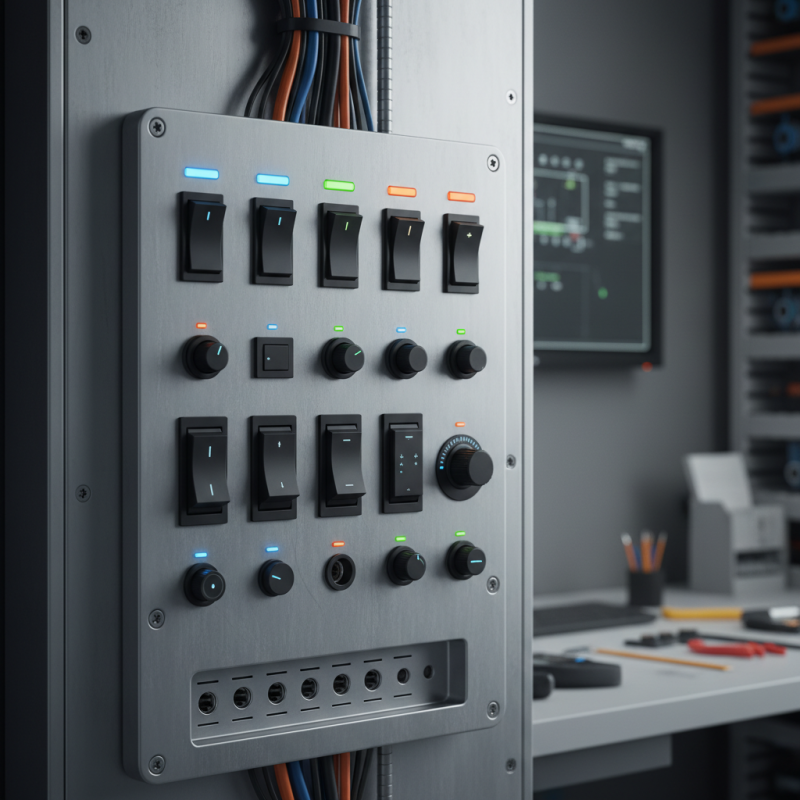
When selecting a switch panel, it's vital to understand the various types available. There are basic toggle switches, which are functional and easy to use. Then you have rocker switches, which come in various designs and provide a smooth operation. More advanced options include touch-sensitive panels, often found in modern homes. Each type serves different needs and preferences.
For lighting applications, dimmer switch panels can be beneficial. These allow users to adjust brightness levels easily. Not everyone needs a complex setup. Sometimes, a simple toggle switch is enough. Consider the layout of your space. How many devices do you need to control? This will help you determine the size and type of panel that will work best.
Tips: Always read product descriptions carefully. Ensure the panel's voltage rating matches your system. Check if the panel's design complements your decor. Compatibility is crucial. Installing a panel that doesn’t fit can lead to frustration. Don't overlook the importance of user reviews. These can offer insights into the panel's performance.
Comparison of Different Types of Switch Panels Available
Identifying Your Specific Needs for a Switch Panel
Selecting the right switch panel begins with assessing your specific needs. Understanding the environment where the panel will be used is crucial. For instance, consider whether it’s for a home, vehicle, or industrial application. Each setting requires different functionalities and durability levels. A switch panel for a car needs to withstand vibration, while one for a home may prioritize aesthetic design.
Next, think about the types of devices you will control. Will you need multiple switches or just a few? Ensure the panel can accommodate your requirements. Check the power ratings and compatibility with your devices. If you're unsure, consult a specialist who can provide insights tailored to your situation.
Lastly, reflect on usability. Are the switches easy to operate? In low-light conditions, illuminated switches may be more beneficial. Pay attention to customer feedback and reviews, which can reveal unexpected issues or benefits. It's a good practice to revisit your choices periodically to ensure they still meet your evolving needs. Making a fully informed decision will enhance the functionality and experience of using your switch panel.
Key Features to Consider When Choosing a Switch Panel
When choosing a switch panel, several key features demand attention. The panel type should match your specific application. For instance, if you're managing complex lighting systems, a multi-button panel is essential. According to industry reports, nearly 70% of electrical failures stem from improper installations, underscoring the importance of reliability in design.
Consider the technical specifications as well. Voltage ratings, amperage capacity, and environmental protection ratings can significantly impact performance. Research indicates that switch panels with IP ratings above 66 offer superior dust and moisture resistance. In environments prone to humidity or dust, this can prevent costly downtime and repairs.
Tips: Always verify compatibility with your equipment. Investing in a quality panel can save you headaches later. Check for certifications like UL or CE to ensure safety standards.
User feedback is invaluable. Some users report dissatisfaction with certain designs. This feedback should inform your decision. Weight both the positives and negatives before making your choice.
Evaluating Compatibility with Existing Electrical Systems
When evaluating a switch panel, compatibility with existing electrical systems is crucial. Understanding your current setup can prevent expensive modifications. Start by identifying the voltage and amperage ratings of your system. Many panels accommodate standard configurations, but variations exist. Double-check compatibility to avoid mishaps.
Wiring type is another key consideration. Older homes may have different wiring systems than newer constructions. Take the time to inspect the wiring. Look for signs of wear or damage, as these issues could complicate installation. It’s worth considering seeking advice from a qualified electrician. Their insights can guide you through complex electrical standards.
The size and design of the switch panel matter as well. Ensure that the panel fits within the allocated space. Clearances and ventilation are often overlooked. A cramped fit can lead to overheating issues over time. Assess your space carefully to ensure the panel works seamlessly. A misstep here could lead to safety hazards. Always prioritize caution and thoroughness in your selection process.
How to Choose the Right Switch Panel for Your Needs? - Evaluating Compatibility with Existing Electrical Systems
| Feature | Importance | Compatibility | Price Range |
| Load Capacity | High | Must match the circuit's total load. | $30 - $100 |
| Number of Switches | Medium | Ensure compatibility with existing fixtures. | $20 - $80 |
| Material Quality | High | Durable materials recommended for longevity. | $25 - $120 |
| Smart Technology | Medium | Check compatibility with smart home systems. | $50 - $200 |
| Installation Type | High | Verify compatibility with installation requirements. | $10 - $60 |
Tips for Installation and Maintenance of Switch Panels
When installing a switch panel, proper attention to detail is key for durability and performance. Research from the National Electrical Manufacturers Association (NEMA) indicates that improper installation can reduce a panel's lifespan by up to 30%. Ensuring that the panel is securely mounted and correctly wired helps to prevent faults that could lead to malfunction.
Tip 1: Always check for compatibility before installation. Ensure the switch panel matches the electrical system’s voltage and amperage. This small detail can prevent future headaches and unexpected failures.
Regular maintenance is crucial for optimal operation. Dust and debris can accumulate, affecting the performance of the panel. The Occupational Safety and Health Administration (OSHA) suggests cleaning the area around switch panels at least once a month. This simple task keeps the panel free from hazards.
Tip 2: Inspect connections regularly. Loose or corroded connections can cause intermittent power issues. Scheduling these checks can help avoid larger problems down the road.
Using the right tools is essential for installation. A multimeter can help verify that all connections are secure. However, even with the right tools, errors can happen. One might misinterpret readings, leading to installation mistakes. Such reflections on installation practices can help improve future projects.