Why Choose Solar Roof Mounts for Your Home Energy Needs?
As energy costs continue to rise, many homeowners are exploring efficient solutions. Solar Roof Mounts are emerging as a popular choice for those seeking sustainable energy. According to the Solar Energy Industries Association, solar installations grew by 43% in 2020 alone. This growth highlights the effectiveness of Solar Roof Mounts in harnessing renewable energy.
Solar Roof Mounts offer significant advantages. They provide ample energy while reducing electricity bills. Homeowners can save thousands over time, especially with the current federal tax credit of 26% available for solar systems. Yet, some may still hesitate due to initial costs or installation concerns. Understanding both the benefits and challenges is vital.
Research indicates that over 80% of homeowners who invest in Solar Roof Mounts report high satisfaction levels. However, some may not realize that durability varies among products. Not all mounts are created equal, making it essential to research before purchasing. Solar Roof Mounts can be a wise investment, but they require careful consideration of quality and installation.
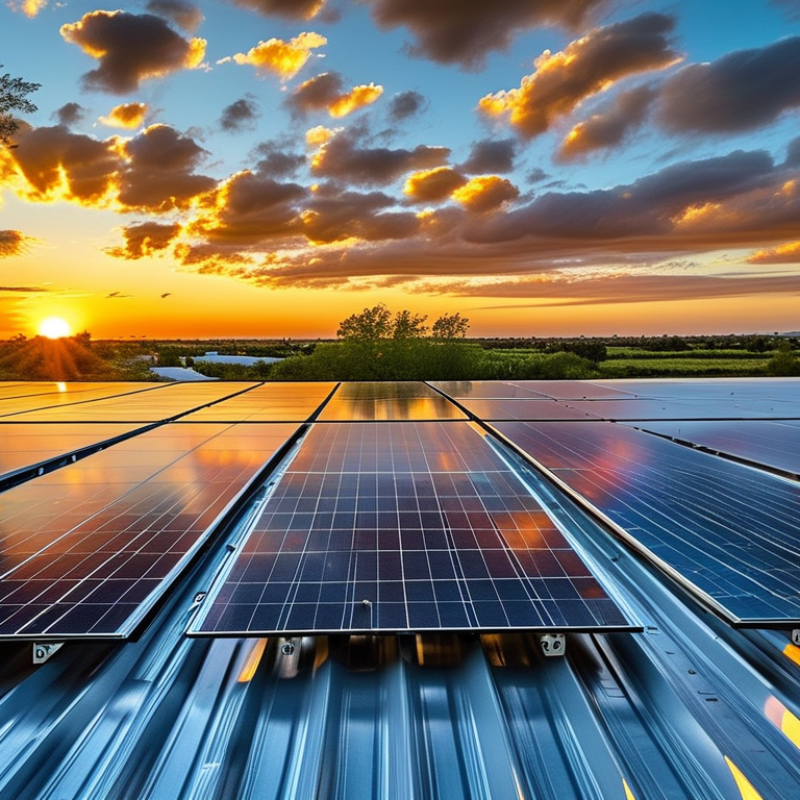
Benefits of Solar Roof Mounts for Energy Efficiency and Sustainability
Solar roof mounts offer significant benefits for energy efficiency and sustainability. According to the U.S. Department of Energy, homes with solar panels can save an average of $1,500 annually on energy costs. This reduction directly impacts household budgets and promotes sustainable living. With solar technology advancing, energy efficiency has improved by 20% in recent years. People are more inclined to invest in solar roofs as they recognize these savings.
Moreover, solar roof mounts help reduce carbon footprints. The Environmental Protection Agency reports that each kilowatt-hour of solar energy prevents around 1.3 pounds of CO2 emissions. Thus, adopting solar energy contributes to cleaner air and a healthier planet. The increase in solar installations signifies a growing awareness of climate change and a desire to combat its effects.
However, challenges remain. Installation costs can be high upfront, creating a barrier for some homeowners. Moreover, installation must be done correctly to avoid performance issues. Potential buyers need to be cautious and ensure they choose reputable installers. This awareness plays a crucial role in making informed decisions about adopting solar technology. As more individuals navigate these complexities, the benefits of solar roof mounts continue to gain popularity.
Cost-Effectiveness: Long-Term Savings with Solar Roof Mounts
Choosing solar roof mounts for your home can lead to significant cost savings. The initial investment might seem high, but consider the long-term benefits. Many homeowners find that their energy bills decrease substantially after installation. This reduction can offset the upfront costs over time. In some cases, savings can reach thousands of dollars.
Moreover, installing solar roof mounts can add value to your property. Homes with solar energy systems are often more attractive to buyers. They signal energy efficiency and reduced utility expenses. This trend might not always reflect immediately on property value, but many sellers note a positive shift in interest.
However, the path to solar energy isn’t without challenges. It's vital to assess your roof's condition before installation. Older roofs may require repairs, adding to costs. Additionally, the efficiency of solar panels varies based on sunlight exposure. Homes with shaded areas may not harness enough energy. Regular maintenance is necessary to keep solar systems functioning well. These factors demand careful thought before making a decision.
Installation and Maintenance: Advantages of Roof-Mounted Systems
Roof-mounted solar systems provide several advantages, especially in installation and maintenance. These systems are often more efficient than ground-mounted alternatives. They utilize sunlight that reflects off rooftops, leading to higher energy absorption. According to the Solar Energy Industries Association (SEIA), more than 70% of current solar installations are roof-mounted. This reflects a strong industry preference for this setup.
Installation of roof-mounted systems generally involves fewer components. This simplicity can lead to reduced installation costs and a shorter timeline. Additionally, roof-mounted systems are less prone to theft and vandalism. A report from the National Renewable Energy Laboratory (NREL) indicates that roof installations can yield a 15% higher energy output over their lifespan compared to ground systems.
However, maintenance can be a concern. Roof systems may require periodic cleaning to ensure optimal performance. Dust, snow, or debris can obstruct sunlight. Yet, many homeowners find this manageable with routine checks. An estimated 10% of homeowners report issues due to neglect in maintenance. Understanding these aspects is essential for maximizing the benefits of solar energy.
Performance Comparison: Solar Roof Mounts vs. Ground-Mounted Systems
When considering solar energy solutions for your home, comparing solar roof mounts to ground-mounted systems reveals distinct advantages and challenges. According to a recent report from the National Renewable Energy Laboratory, solar roof mounts typically occupy about 80% less space. This efficient design allows homeowners to utilize limited space effectively. Roof-mounted systems can generate 80-90% of their potential output, even in urban environments where ground-mounted systems may be impractical.
Ground-mounted systems tend to have higher energy production potential per square foot. They can be optimally angled towards the sun, which sometimes enhances efficiency by up to 15%. However, installing them requires more land, which can be a significant drawback for those with smaller properties. Maintenance for both types is critical; roof mounts may face wear from weather elements, affecting long-term performance. Ground systems can be easier to access for cleaning and upkeep.
Lastly, homeowners should consider the installation costs. According to the Solar Energy Industries Association, roof-mounted systems typically cost 10-20% less due to reduced labor and equipment needs. However, homeowners must evaluate their specific energy requirements and potential site conditions before making a decision. Each option has unique pros and cons that warrant careful consideration.
Performance Comparison: Solar Roof Mounts vs. Ground-Mounted Systems
Environmental Impact: Reducing Carbon Footprint with Solar Roof Solutions
Installing solar roof mounts can significantly reduce your home's carbon footprint. According to the U.S. Department of Energy, solar energy can reduce greenhouse gas emissions by approximately 80% over a typical system's lifespan. By converting sunlight into electricity, homes can avoid relying on fossil fuels, which contribute to air pollution and climate change.
A study from the National Renewable Energy Laboratory indicates that if all homes in the U.S. used solar panels, it could offset more than 140 million metric tons of carbon dioxide annually. This shift not only fosters a sustainable environment but also promotes energy independence. As homeowners become more environmentally conscious, solar energy is becoming a smart choice for reducing emissions.
Tips for maximizing your solar setup: Ensure your roof is oriented southward for optimal sun exposure. Regular maintenance is essential to keep panels efficient. Even a small amount of shade or dirt can decrease energy output.
Remember, transitioning to solar is a journey. There can be financial and logistical challenges. Homeowners should assess their options carefully, as not all homes are suited for solar installations.