2026 How to Choose the Best PCB Prototype Board for Your Needs?
Choosing the right Pcb Prototype Board is crucial for successful electronics development. As the global PCB market is projected to reach $87 billion by 2026, factors such as quality, cost, and performance become increasingly important. Many companies are investing heavily in high-quality PCB prototype boards to reduce lead times and errors, ensuring their products meet market demands.
Your selection should consider factors like material, layer count, and manufacturing capabilities. Professional reports indicate that around 70% of design failures stem from inadequate prototyping. This highlights the importance of using reliable PCB prototype boards in the early phases of production. A well-chosen board can minimize costly revisions and optimize product performance.
However, evaluating various options can be overwhelming. Decisions must account for specific project requirements and end-user expectations. It's essential to collaborate with experienced manufacturers who understand the nuances of PCB technology. As the industry evolves, maintaining flexibility in your choices will empower you to adapt to new innovations and challenges.
Understanding the Basics of PCB Prototype Boards
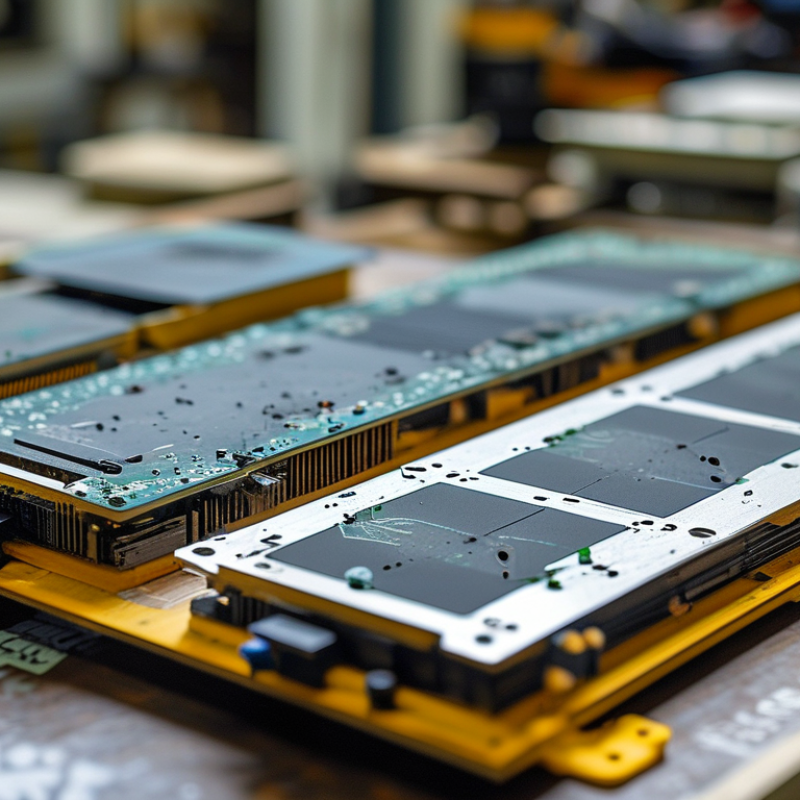
When selecting a PCB prototype board, it's crucial to understand the fundamental components. A PCB prototype board facilitates the testing of designs before full-scale production. It consists of layers of conductive pathways and insulating materials, which create electrical connections among various components.
When evaluating your needs, consider the board size. A smaller board may suit compact designs, while larger boards can accommodate complex circuits. Design complexity can also influence your choice. Simpler designs might need basic boards, while intricate projects require advanced ones. It's essential to align the board's specifications with your project requirements.
**Tips:** Always assess the type of components you plan to use. Different boards support varying component layouts. Ensure compatibility before proceeding.
Ensure the board material meets your project's environmental needs. For example, temperature sensitivity can affect performance. Reflect on potential thermal issues during the initial design phase.
Conducting thorough testing is key. Prototype boards are valuable for identifying problems early. Small mistakes can lead to significant setbacks. Invest time in refining designs with tools like simulation software. Each iteration brings you closer to the final product.
2026 How to Choose the Best PCB Prototype Board for Your Needs?
| Attribute | Value |
| Board Thickness | 1.6 mm |
| Number of Layers | 4 Layers |
| Max PCB Size | 300 mm x 200 mm |
| Min Trace Width | 0.1 mm |
| Min Hole Diameter | 0.3 mm |
| Surface Finish | ENIG |
| Price Range | $50 - $200 |
| Lead Time | 2 - 4 weeks |
Identifying Your Project Requirements
When selecting a PCB prototype board, understanding your project requirements is crucial. Different projects necessitate various specifications. Consider the size, complexity, and number of layers in your design. These factors will directly influence your choice of materials and manufacturing techniques.
Tips: Create a detailed list of your project specs. Identify the required electrical characteristics. This includes voltage levels, temperature range, and signal integrity. Each component affects how the PCB will perform.
The layout matters too. Think about the components' placement and routing requirements. A complex design might require more advanced boards, while simpler designs can use standard options. Don’t rush this process; reflect on past projects to avoid similar pitfalls.
Tips: Sketch out your ideas. Visuals can help clarify your needs. Discuss with team members for fresh perspectives. Their insights may highlight aspects you overlooked.
Evaluating Different Types of PCB Prototype Boards
When evaluating different types of PCB prototype boards, consider your specific requirements. The design complexity, size, and application greatly influence the type you choose. For simple projects, a basic single-layer board may suffice. However, for advanced technology, a multi-layer board could be necessary.
Tips: Always assess your project’s needs first. Don’t go for extra layers if unnecessary. It can complicate things and increase costs.
The material also plays a crucial role. Commonly used materials include FR-4 and CEM-1. Each has its unique characteristics and suitability for various applications. Research the thermal and electrical performance of the materials used.
Tips: Consider environmental factors too. Certain materials may not withstand harsh conditions. Be cautious about long-term reliability. Testing prototypes under real conditions is essential.
Budget constraints should guide your decision as well. Custom boards may offer more features but can strain finances. Finding the right balance between quality and cost requires careful consideration. Always be prepared for adjustments, as designs often evolve through testing.
Key Considerations for Material and Layer Count
Choosing the right PCB prototype board is crucial for project success. One must consider material types and layer counts. According to industry reports, the choice of material can significantly impact performance. Common materials include FR-4, a standard choice for many applications due to its electrical insulation properties and cost-effectiveness. However, for high-frequency applications, materials like Rogers can be more suitable, albeit at a higher cost.
Layer count is equally important. A basic PCB prototype might have just one or two layers. More complex designs often require four layers or more. Increasing layer count can enhance routing options and reduce interference, but comes with challenges, such as increased production costs and longer lead times. Designs with multiple layers often necessitate more complex fabrication processes, which can add risk to project timelines.
Data shows that prototypes with higher layer counts have better signal integrity. Yet, this is not universally beneficial. A more complex design can create issues like fabrication errors or assembly difficulties. Understanding these trade-offs is essential. While striving for optimal performance, one might overlook potential manufacturing complications. It’s vital to balance technical requirements with practical considerations to ensure successful prototyping.
Comparing Costs and Supplier Options for PCB Prototypes
When evaluating options for PCB prototype boards, cost and supplier choice are crucial. A report from IPC, the association connecting electronics industries, indicates that prototype costs can vary significantly. Basic PCB prototypes can start at $30, while more complex designs may exceed $200. Factors such as size, layer count, and materials influence prices. Understanding these elements is key to making informed decisions.
Supplier options also play a vital role. Research highlights that quality varies among manufacturers. A reliable supplier should demonstrate expertise and offer clear communication. Many industry leaders recommend assessing turnaround times, as quicker delivery can impact project timelines significantly. Selecting a supplier with a proven track record can mitigate risks associated with delays or inferior quality.
Despite having access to numerous suppliers, some manufacturers may not meet specific needs. It’s essential to review factors such as certifications, customer service, and technology offerings. Many engineers overlook the importance of these aspects, leading to misunderstandings and unfulfilled expectations. Fostering a relationship with a trusted supplier can enhance project success and reduce unforeseen costs.