

Why Choose ammonium chloride powder for Global Supply?
Ammonium Chloride Powder remains a practical material for manufacturers, agricultural suppliers, and industrial distributors worldwide. Its white crystalline appearance, stable composition, and easy storage support predictable handling across long supply routes. Yet a low price alone does not guarantee a dependable purchase.
Patrick Heffer, a respected fertilizer-industry specialist and former International Fertilizer Association executive, has emphasized, “Reliable fertilizer supply depends on quality, logistics, and responsible use—not price alone.” This principle applies directly to Ammonium Chloride Powder procurement. Buyers need consistent assay results, controlled moisture levels, and clear certificates of analysis. A sealed 25-kilogram bag should arrive dry, intact, and free from visible caking. Small details matter.
Global supply also requires careful attention to packaging, container loading, port conditions, and destination requirements. Responsible suppliers explain product specifications before shipment. They also provide traceability, batch information, and practical storage guidance. This builds confidence between factories, traders, and end users.
Still, no supply chain is perfect. Delays happen. Specifications may need clarification. Even experienced buyers can overlook humidity exposure during inland transport. That is why verified testing and open communication remain essential. Choosing Ammonium Chloride Powder should involve more than comparing quotations. It should mean evaluating consistency, documentation, supplier experience, and responsible commercial practices. These factors help businesses reduce uncertainty while maintaining a safer and more resilient global sourcing process.
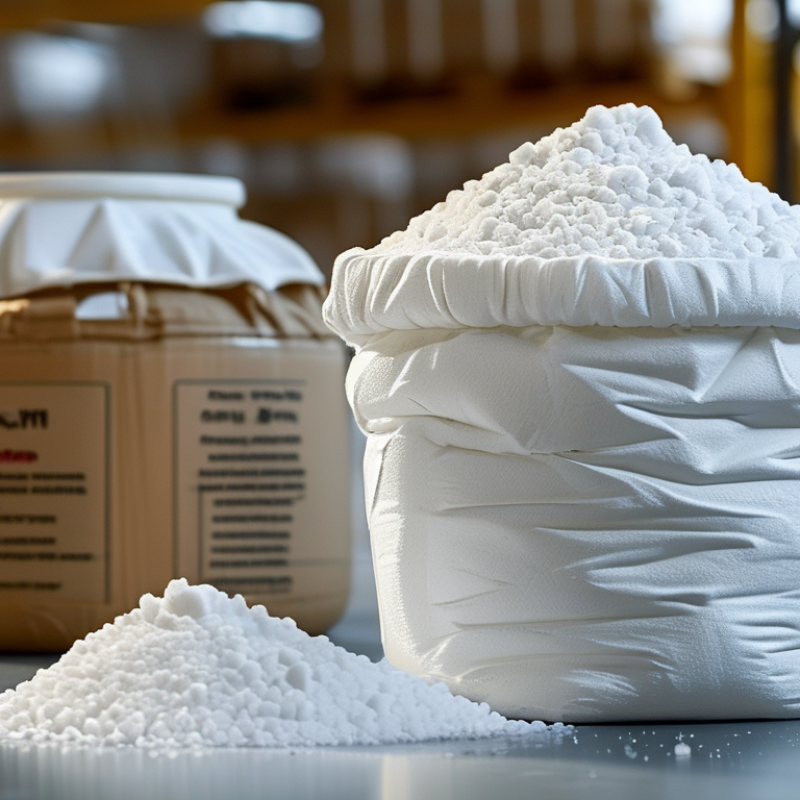
Ammonium chloride powder is a white, crystalline inorganic salt. Its chemical formula is NH4Cl. PubChem reports a molecular weight of 53.49 g/mol and high water solubility at room temperature. This explains its fast dissolution in controlled industrial mixtures. The material is commonly used in dry-cell batteries, metal treatment, laboratory reagents, and selected agricultural formulations.
Trade data also shows its international relevance. UN Comtrade classifies ammonium chloride under HS code 282710. Recent global trade records report millions of kilograms moving across major manufacturing and agricultural markets each year. However, trade volume does not prove uniform quality. Moisture, particle size, purity, and packaging can differ greatly between suppliers. That point is easy to underestimate.
Tips: Request a current certificate of analysis. Check assay, moisture, iron, heavy metals, and sieve size. For powder, inspect the bag lining and storage instructions. The International Fertilizer Association notes that fertilizer performance depends on composition, handling, and application conditions. My practical view is simple: a low price can become expensive after caking, contamination, or delayed customs clearance. Buyers should compare batch data, not only product names. Good sourcing requires verification.
Ammonium chloride powder, or NH4Cl, is produced through controlled chemical reactions and crystallization. One common route recovers it as a by-product of soda ash production. Another route neutralizes hydrochloric acid with ammonia. The resulting solution is concentrated, cooled, and crystallized. After separation, the crystals are dried, milled, and screened into a consistent powder. Moisture control matters because ammonium chloride can absorb water during storage. A sealed package and dry warehouse help preserve its flowability.
Not every white powder is equivalent. Classification usually depends on purity, particle size, moisture, and intended application. Industrial grade may support metal treatment, processing, or other technical uses. Agricultural grade is commonly assessed by nitrogen content and impurity limits. Food or pharmaceutical applications require stricter specifications, validated testing, and complete traceability.
Those labels can vary by market, so buyers should review the certificate of analysis rather than trust a grade name alone. Useful checks include assay, chloride content, heavy metals, insoluble matter, pH, and sieve distribution. Sampling should represent the whole batch, not only the top layer.
A practical weakness remains: fine powder may cake after long transport, even when the original test results are acceptable. Clear packaging dates, batch records, and moisture-barrier bags reduce that risk. Careful classification makes global purchasing more predictable, but specifications still need independent verification.
Why Choose Ammonium Chloride Powder for Global Supply?
Ammonium chloride powder supports several established industrial applications. Fertilizer manufacturers use it as a nitrogen source, especially where chloride-tolerant crops and soil conditions permit. The International Fertilizer Association’s Medium-Term Fertilizer Outlook 2024–2028 projects global fertilizer demand to reach about 205.9 million tonnes of nutrients by 2028. This wider demand strengthens interest in dependable nitrogen materials, although ammonium chloride remains application-specific.
Metal processing is another important use. In galvanizing, ammonium chloride acts as a flux and helps remove surface oxides before zinc coating. Small differences matter. Particle size, moisture, and residue levels can affect feeding, storage, and coating consistency. Battery producers also use controlled grades in certain dry-cell systems. Chemical and pharmaceutical processing may require tighter purity controls, documented traceability, and batch testing.
Supply planning should examine more than price. The USGS Mineral Commodity Summaries 2024 estimated global ammonia production at roughly 190 million metric tons in 2023, showing the scale of the upstream nitrogen industry. Yet upstream volume does not guarantee suitable powder quality. Buyers should request a certificate of analysis, safety data sheet, packaging details, and shelf-life information. A low-cost grade can create hidden losses through caking or contamination. That assumption is convenient, but incomplete. Regional humidity can change storage performance, too. Reliable supply needs technical matching, not simply larger shipments.
Main Industrial Applications of Ammonium Chloride
Ammonium chloride powder is widely selected for global industrial supply because it is water-soluble, easy to handle, and suitable for standardized formulation. Fertilizer production represents the largest application, while metal treatment, dry-cell batteries, chemical processing, pharmaceuticals, and food processing are important downstream uses. The chart shows an indicative global consumption mix based on commonly reported industrial end-use patterns; actual shares vary by region and year.
Ammonium chloride powder fits global supply chains because it offers a consistent, measurable chemical format. Its crystalline structure, water solubility, and stable composition support predictable handling. Manufacturers can define assay, moisture, particle size, and insoluble matter before shipment. These specifications help buyers compare batches across different production sites. Small differences matter.
In agricultural applications, soluble powder can enter approved fertilizer formulations with controlled nutrient ratios. In metal processing, it may support cleaning operations under defined industrial procedures. Some battery applications also use ammonium chloride, but their technical requirements differ. A purchase specification should match the final use, not only the quoted purity. That distinction is often missed. Moisture-resistant bags, secure pallets, and clear documentation can reduce damage during long-distance transport. Regulatory classification and labeling requirements may vary by destination.
Reliable supply depends on more than production volume. Batch testing, lot traceability, and consistent certificates of analysis give purchasing teams stronger control. Records should include assay methods, moisture results, packing dates, and inspection details. Independent sampling can add confidence when cargo crosses several borders. Lead times still change with weather, port congestion, and regional demand. Global planning needs alternatives. The assumption that one grade serves every market is too simple. Ammonium chloride powder can cake after humidity exposure, so warehouses need dry storage and regular stock checks.
Why Choose Ammonium Chloride Powder for Global Supply?
Ammonium chloride powder supports global supply when moisture control is treated as a quality requirement. The material is highly soluble in water, reaching about 37.2 g per 100 mL at 20°C, according to PubChem data. Even small condensation can create hardened lumps. Store sealed bags on clean pallets, above the floor and away from walls. Use a dry, ventilated warehouse with stable temperatures. Avoid direct sunlight, leaking roofs, and nearby chemicals that may react with the product. A moisture barrier liner inside woven bags provides extra protection. It is not perfect, though. Poor warehouse discipline can defeat expensive packaging.
Shipping preparation should include a current certificate of analysis, batch number, net weight, and visible package inspection. International transport documents must follow the latest destination requirements and the UN Model Regulations, 23rd revised edition (2023). Confirm classification with a qualified logistics professional before booking freight. Containers should be dry, odor-free, and suitable for powdered chemicals. Do not load damaged bags. Use pallets, corner protection, and stretch wrapping to reduce shifting during long ocean routes. Data loggers can record temperature and humidity, but they cannot repair condensation after arrival. The International Fertilizer Association emphasizes controlled handling and traceable quality checks across fertilizer distribution. Photographing the cargo before sealing the container is simple, but often overlooked. That missing step can complicate claims later.

