2026 Top Infrared Thermal Imaging Camera Trends for Buyers
As the demand for advanced safety and monitoring solutions rises, the market for Infrared Thermal Imaging Cameras is witnessing significant growth. According to a report by MarketsandMarkets, the infrared thermal imaging market is projected to reach $6.8 billion by 2026. This trend reflects not only technological advancements but also an increased awareness of the benefits these devices offer across various sectors, including healthcare, industrial, and security applications.
Buyers must navigate a landscape filled with diverse features and capabilities. Key manufacturers are continually improving their products to enhance performance and usability. For instance, higher resolution sensors provide clearer images, while improved software algorithms streamline data interpretation. However, amidst these developments, some users may find that cost and complexity pose challenges, leaving room for critical reflection on their choices.
In this context, understanding the top trends in infrared thermal imaging cameras helps buyers make informed decisions. Embracing these innovations can lead to more efficient operations and enhanced safety protocols. Yet, potential buyers must remain aware of their specific needs and potential limitations in the technology they choose to invest in.
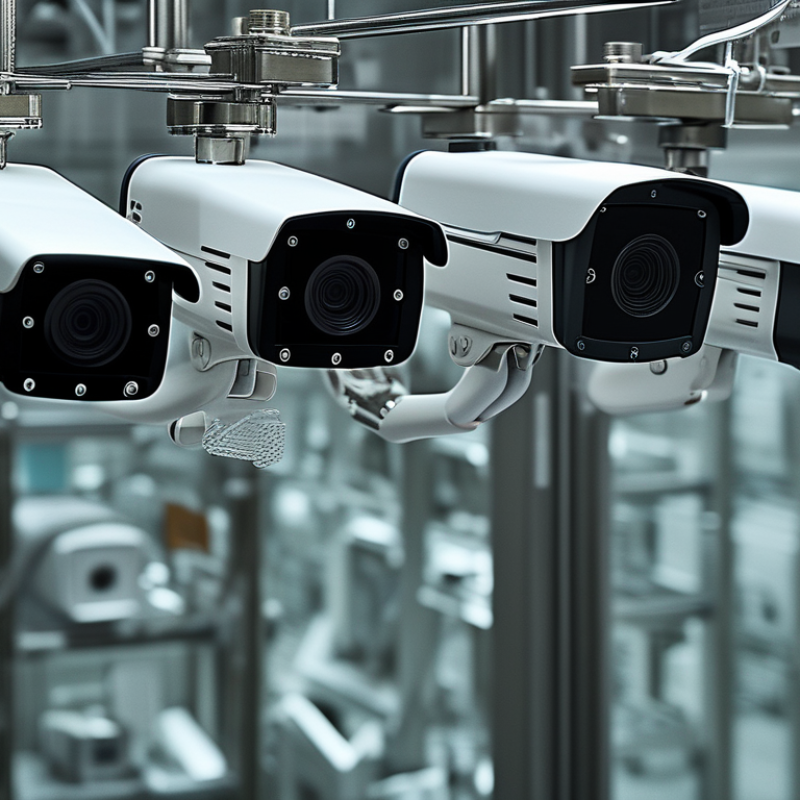
Emerging Technologies Shaping the Future of Infrared Thermal Imaging Cameras
As infrared thermal imaging technology advances, new trends are shaping the landscape. One crucial development is the integration of artificial intelligence (AI). AI algorithms enhance image analysis, offering more accurate temperature readings. According to recent industry reports, this advancement can improve detection accuracy by up to 30%. Users in sectors like healthcare and manufacturing benefit significantly from these precise measurements.
Another emerging trend is the miniaturization of infrared cameras. Smaller devices allow for more versatile applications. For example, compact cameras can easily be incorporated into drones for remote inspections. Data suggests that the global drone market for thermal imaging will grow at a compound annual growth rate CAGR of over 15% through 2026. This presents a unique opportunity for buyers looking for innovative ways to utilize thermal imaging.
Despite these advancements, challenges still exist. The market faces issues with device calibration and potential data interpretation errors, leading to misreadings. Buyers must be vigilant in selecting equipment and training staff to minimize risks. As technology evolves, continuous learning and adaptation are essential for successful implementation in various industries.
Key Features Buyers Should Look for in 2026 Infrared Cameras
When considering infrared thermal imaging cameras in 2026, buyers should focus on specific key features. One vital aspect is resolution. Higher resolution offers clearer images, enabling better analysis of thermal data. Look for models that provide at least 640x480 resolution. This can significantly enhance your ability to detect subtle temperature variations.
Another important feature is temperature range. A broader range allows for versatility in various applications. Whether for electrical inspections or building surveys, the right range is crucial. Additionally, a built-in reporting function can streamline documentation. This feature helps to organize and share findings efficiently, which is essential for professionals in the field.
Moreover, consider the camera's size and weight. A compact and lightweight design enhances portability, making it easier to carry during inspections. However, some compact models may sacrifice durability. Therefore, assess build quality before making a decision. User-friendly interfaces are also essential; they can improve the overall user experience. Balancing these aspects requires careful consideration. Effective thermal imaging is more about meeting diverse needs than just having high-tech features. Buyers should reflect on what works best for their specific applications.
2026 Top Infrared Thermal Imaging Camera Trends for Buyers - Key Features Buyers Should Look for in 2026 Infrared Cameras
| Key Feature | Description | Importance |
| Resolution | Higher resolution allows for better detail in thermal images, which is crucial for accurate analysis. | High Importance |
| Sensitivity | The ability to detect small temperature differences, which is vital for detecting faults. | Very High |
| Battery Life | Longer battery life enables extended usage in the field without interruptions. | Moderate |
| Connectivity | Wi-Fi, Bluetooth, and cloud capabilities allow for easy data sharing and analysis. | High |
| Weight | Lightweight designs enhance portability for on-site use. | Moderate |
| Ruggedness | Durability features such as water and dust resistance ensure reliable performance in tough environments. | High |
| Software Capabilities | Advanced software aids in analysis, report generation, and data management. | Very High |
Market Trends Influencing the Adoption of Thermal Imaging Technology
The adoption of thermal imaging technology is increasingly shaped by market trends. According to a recent industry report, the global thermal imaging market is expected to reach $9.57 billion by 2026, with a compound annual growth rate (CAGR) of 7.8%. This growth is driven by sectors such as healthcare, manufacturing, and security, where thermal cameras are gaining traction for their ability to detect temperature variations.
One key factor influencing this trend is the demand for safety and security solutions. With rising concerns over public safety, organizations are investing in advanced technologies. Thermal imaging cameras assist in identifying potential threats in various environments. For instance, they can detect intruders in low-light conditions, offering a strategic advantage. However, some users express uncertainty about the integration of this technology into existing systems, highlighting the need for further training and support.
Additionally, the increasing emphasis on energy efficiency is propelling the market forward. Industries are using thermal imaging to pinpoint energy leaks and inefficiencies. Reports show that 30% of energy loss in buildings goes unnoticed. Utilizing thermal imaging helps companies minimize waste and reduce operational costs. Despite these benefits, some businesses remain hesitant due to the upfront investment required. This hesitance underscores the importance of demonstrating clear ROI to sway potential adopters.
Applications of Infrared Thermal Imaging Across Various Industries
Infrared thermal imaging has transformed various industries by providing critical insights into temperature variations. This technology is utilized in healthcare for detecting fevers, monitoring patients, and assessing medical equipment. In construction, it aids in identifying heat loss, moisture problems, and electrical issues in buildings. The ability to visualize thermal patterns creates a proactive approach to maintenance and safety.
In the manufacturing sector, thermal cameras play a vital role in quality control. They help identify overheating machinery and detect heat-related defects in products. This enhances productivity and reduces downtime. Environmental monitoring is another field where thermal imaging provides valuable data. It aids in wildlife studies, tracking temperature changes in natural habitats, and monitoring climate change effects.
Tips for buyers: Consider the resolution and sensitivity of the camera. A higher resolution offers more detailed images. Sensitivity is crucial for detecting minor temperature differences. Also, think about ease of use. A user-friendly interface can save time during inspections. A thermal camera isn't just a tool; it requires understanding and practice to maximize its benefits. Regular training can help in interpreting the data accurately, ensuring you're leveraging the technology effectively.
Consumer Preferences and Buying Considerations for Thermal Imaging Cameras
In 2026, consumer preferences for thermal imaging cameras continue to evolve. Many buyers prioritize ease of use and portability. Features like lightweight design and user-friendly interfaces are increasingly important. According to recent industry reports, 78% of consumers prefer cameras that are intuitive and convenient. This trend reflects a broader need for technology that integrates seamlessly into everyday tasks.
Additionally, image clarity remains a top consideration. Users expect high-resolution thermal images, with a demand for at least 320x240 pixel resolution. Research shows that clearer images significantly impact decision-making across various applications. Users often find themselves frustrated with lower-quality imaging. It can lead to misinterpretations and poor outcomes in critical situations.
Price sensitivity also shapes buyer choices. While many seek advanced features, affordability still reigns. Around 65% of consumers report that price directly influences their purchasing decisions. A balance between effective functionality and reasonable pricing is vital. Buyers often reflect on how much they can rely on thermal imaging for their needs without overspending.
2026 Top Infrared Thermal Imaging Camera Trends
This bar chart illustrates the key consumer preferences and buying considerations for thermal imaging cameras in 2026. Resolution, battery life, weight, user interface, and price are critical factors influencing buyer decisions.